Simulation is not explanation.
AI systems can now simulate with remarkable fidelity. They generate text, predict outcomes, and reproduce patterns across domains. In many cases, they are not just useful—they are operationally superior.
But simulation and explanation are not the same.
Simulation answers: *What happens if…?*
Explanation answers: *Why does this happen at all?*
The distinction matters because explanation requires more than pattern reproduction. It requires identifying structure—mechanisms, constraints, and relationships that make sense of what we observe.
A model can simulate a system accurately and still fail to explain it. It may capture correlations without revealing causes, reproduce behavior without exposing underlying principles.
This is not a limitation of performance. It is a difference in kind.
Simulation resolves dynamics; explanation resolves meaning.
In science and in leadership, that difference is not academic. It determines whether we are merely reacting to the world—or actually making sense of it.
The danger is not that AI cannot explain. It is that we may stop noticing the difference.
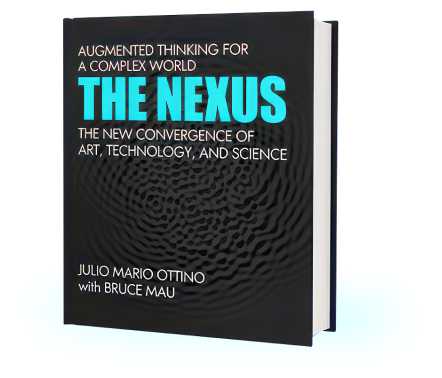
This line of thinking builds on ideas I explored in The Nexus—on how we augment our thinking in complex environments.